
Antidepressants help millions of people. But they don’t help everyone — and for some, the side effects feel almost as bad as the depression. Weight gain, emotional numbness, sexual side effects, fatigue. If you’ve been there, you know.
The good news: medication isn’t the only path. Here are the evidence-based, medication-free depression treatments available in the Temecula Valley, and how to know which might fit you.
1. Psychotherapy
Talk therapy — especially cognitive behavioral therapy (CBT) and behavioral activation — is a first-line treatment for depression. It works on thought patterns and habits that keep depression going. It’s effective on its own for mild to moderate depression and pairs well with every other option on this list.
Best for: Almost everyone. Therapy and TMS work well together.
2. TMS therapy
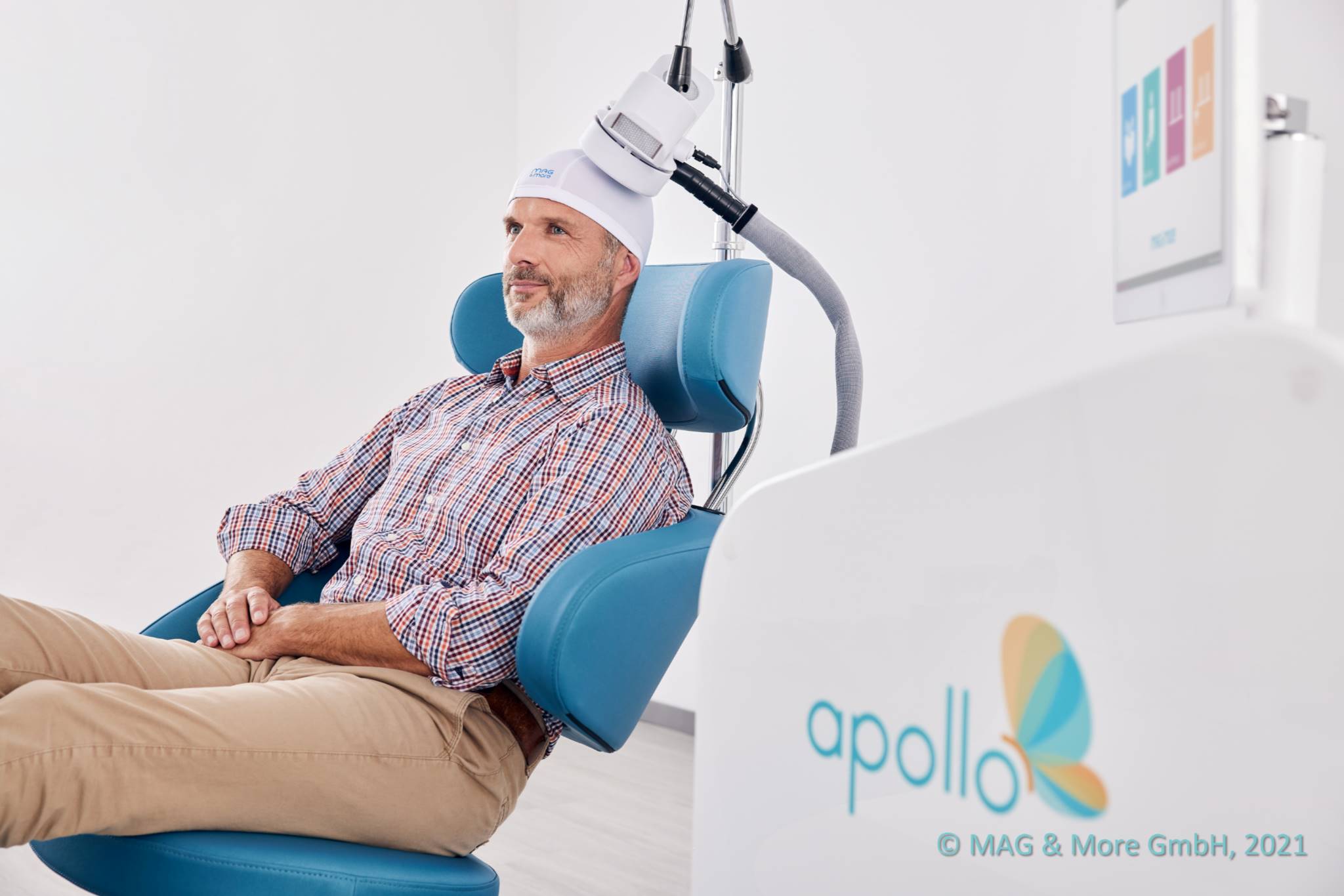
Transcranial Magnetic Stimulation is an FDA-cleared treatment that uses magnetic pulses to activate underactive mood-regulating areas of the brain. It doesn’t enter your bloodstream, so it doesn’t cause the systemic side effects of medication — no weight gain, no sexual side effects, no drowsiness.
Sessions happen in our Temecula office, last under 30 minutes, and require no anesthesia. You can drive yourself to and from treatment.
Best for: People with major depression who haven’t gotten enough relief from medication, or who can’t tolerate its side effects.
3. Exercise
Regular aerobic exercise has a real, measurable antidepressant effect in research — not a cure, but a meaningful boost. The Temecula area makes this easier: Santa Rosa Plateau trails, Duck Pond Park, the Murrieta Creek trail. Even 20–30 minutes of brisk walking most days helps.
Best for: Supporting any treatment plan. Hard to start when depression is severe — that’s normal, and it’s why it works best alongside clinical care.
4. Sleep and routine
Depression and sleep problems feed each other. Consistent wake times, morning light exposure, and limiting alcohol can make a real difference. Ask your provider about CBT for insomnia (CBT-I) if sleep is a major struggle.
5. Support and connection
Isolation deepens depression. Support groups, faith communities, peer programs through NAMI, and simply telling one trusted person what you’re going through all matter.
What about stopping your current medication?
If you’re on an antidepressant now and want to come off it, talk to your prescriber first. Stopping suddenly can cause discontinuation symptoms and relapse. Many patients start TMS while staying on their current medication, then work with their doctor on next steps once they’re feeling better.
Why more Temecula patients are choosing TMS
- No systemic side effects. The most common side effect is a mild headache that usually fades.
- Lasting relief. Many patients stay well for a year or longer after a single course.
- Covered by most insurance for major depression after other treatments haven’t worked.
- Personalized. EmpowerTMS offers PrTMS, which uses an EEG brain map to tailor treatment to you.
When to get help right away
If you’re having thoughts of suicide or self-harm, call or text 988 (Suicide & Crisis Lifeline) or go to the nearest emergency room. TMS is not an emergency treatment.
Frequently asked questions
Is TMS a form of shock therapy?
No. TMS uses magnetic fields, not electrical current through the body. There’s no seizure, no anesthesia, and no memory loss.
Can TMS replace my antidepressant?
For some people, TMS works well enough that they and their doctor decide to reduce or stop medication over time. That decision should always be made with your prescriber.
How do I know if I qualify?
Generally, adults with major depression who’ve tried at least one or two antidepressants without enough relief are good candidates. Take a look at whether TMS is right for you.
Talk to us
Call (951) 625-3733 or schedule a free consultation and EEG brain scan at our Temecula office.


